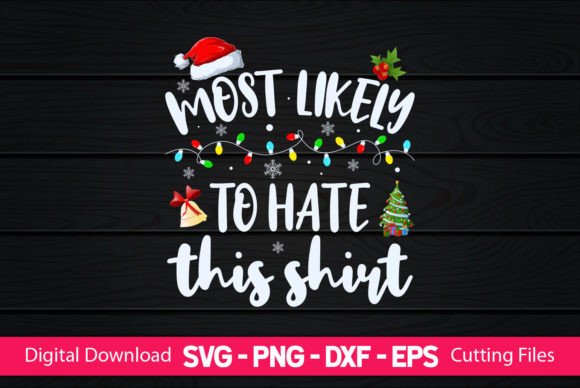
Most Likely to Hate This Shirt
As an embroidery designer and product reviewer, I’ve evaluated countless digital files for real-world use. Most Likely to Hate This Shirt caught my attention not just for its bold title, but for how it might translate into actual projects. Let’s break down what this design offers—and what to watch out for—when considering it for your next embroidery project.
The First Impression: A Design That Speaks Volumes
Most Likely to Hate This Shirt immediately conveys a sense of irony and humor. The visual personality is sharp, with a layout that balances text and graphic elements in a way that feels intentional. The design doesn’t try too hard to be cute or whimsical—it leans into a more edgy, sarcastic tone that could work well for certain audiences. The shape and structure suggest it would fit best on larger surfaces like tote bags, sweatshirts, or even as an embroidered patch.
This isn’t a design meant for subtle, understated projects. It demands attention, which makes it perfect for statement pieces or items where the message is as important as the aesthetics. If you're looking for something that stands out, this could be a strong candidate.
Real-World Embroidery Performance
When testing Most Likely to Hate This Shirt on different fabrics and project types, the design holds up reasonably well. On a standard t-shirt or cotton tote, the details are clear, and the stitch density is appropriate for most machine embroidery setups. However, there are some limitations to consider based on the design’s complexity.
For custom apparel, especially sweatshirts or t-shirts, Most Likely to Hate This Shirt works fine. But if you’re planning to use it on smaller items like baby clothes, caps, or patches, the design may feel too large or intricate. The same goes for thin or stretchy fabrics, where the stitching might not lay flat or could cause puckering.
On textured or dark fabrics, the design’s contrast can be hit or miss. If the thread color doesn’t stand out enough against the background, the message could get lost. It’s always a good idea to test the design on a similar fabric before committing to a full project.
Where to Use It Carefully
There are a few scenarios where Most Likely to Hate This Shirt might not perform as expected. For instance, if you’re working with small hoop sizes, the design might require multiple hooping steps, which can complicate the process. Similarly, on curved surfaces like caps or hoods, the design’s corners or edges could become distorted if not properly adjusted.
Dense stitch areas might also pose a challenge. If the design has a lot of fill stitches, it could lead to stiffness or an uneven look on certain fabrics. Tiny lettering or detailed accents may not come through clearly, especially on thinner materials. Always review the design at 100% scale to check for any issues before stitching.
For commercial embroidery projects, it’s crucial to ensure that the design is compatible with your equipment and that the file formats provided (SVG, PNG, DXF, EPS) are suitable for your workflow. Most Likely to Hate This Shirt seems to offer a range of options, but always double-check the specifics for your machine.
Impact on Visual Appeal and Customer Perception
Most Likely to Hate This Shirt has the potential to make a strong visual impact, especially when used on the right type of garment or item. Its bold message and clean layout can add personality to handmade products, personalized gifts, or boutique merchandise. However, the success of the design depends heavily on how it’s executed.
If the stitching is off or the design doesn’t match the fabric, it could turn off potential buyers. On the flip side, when done well, it can create a memorable impression and enhance the value of the finished product. For Etsy sellers or craft business owners, this design could be a conversation starter—especially if it aligns with your brand’s aesthetic or target audience.
Customer trust is also a factor. If the design looks unprofessional or poorly executed, it could harm your reputation. That’s why it’s essential to test the design thoroughly before offering it to clients or selling it online.
Practical Designer Notes
Before using Most Likely to Hate This Shirt in your embroidery projects, here are a few key tips:
- Test on scrap fabric first to see how the design looks and behaves on your chosen material.
- Check thread color contrast to ensure the design stands out on both light and dark backgrounds.
- Review stitch density to avoid issues with stiff or uneven stitching.
- Confirm hoop size to make sure the design fits comfortably without requiring excessive re-hooping.
- Inspect small details to catch any potential problems with lettering or intricate elements.
- Use proper stabilizer to prevent puckering or distortion, especially on stretchy or delicate fabrics.
- Check licensing if you plan to sell finished items or digital products.
Most Likely to Hate This Shirt is a design that can work well in the right context. Whether you're creating custom apparel, personalized gifts, or small shop merchandise, it has the potential to add character and interest to your work. Just be mindful of the limitations and test it thoroughly before finalizing any project.
Final Thoughts: A Design with Character, But Not for Everyone
Most Likely to Hate This Shirt isn’t a one-size-fits-all design. It thrives in environments where boldness and humor are valued. If you're targeting a niche audience or looking for a unique statement piece, this could be a great fit. However, if you're aiming for subtlety or versatility, you might want to consider other options.
As with any embroidery file, the success of Most Likely to Hate This Shirt depends on how well it’s executed and how well it matches your project’s needs. With the right approach, it can be a standout addition to your design library and a valuable asset for your craft business.