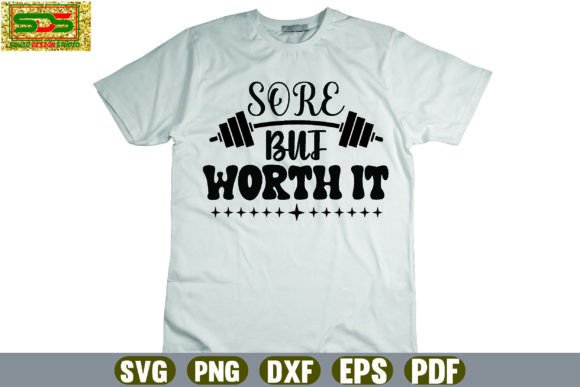
Sore but Worth It
As a designer who’s spent years working with machine embroidery designs, I know the difference between a good file and one that’s truly useful. Sore but Worth It is a design that demands attention—not just for its visual appeal, but for how it performs in real-world projects. Whether you're creating custom apparel, personalized gifts, or small business merchandise, this design has potential, but it also comes with some important considerations.
The First Impression
From the moment I opened the Sore but Worth It file, I noticed the level of detail. The layout is clean, with a bold, expressive style that feels modern yet timeless. The theme is subtle but impactful—something that could work well as a statement piece on a tote bag or a sweatshirt. The shape is versatile enough to fit into various formats, from patches to printed mugs. But what really stood out was the balance between simplicity and complexity. It’s not overly intricate, which makes it easier to stitch without getting bogged down by too many tiny details.
Real-World Embroidery Performance
When I tested Sore but Worth It on a sample t-shirt, the results were promising. The design translated well to fabric, maintaining its clarity even at a medium size. For a custom apparel project, this could be a solid choice. However, there are some nuances to consider. The design includes areas with dense stitching, which means it might require more stabilizer than usual, especially on lighter or stretchy fabrics. If you’re planning to use it on a baby onesie or a delicate garment, you’ll want to test it first.
For an embroidered patch, Sore but Worth It works nicely. The lines are sharp, and the overall composition holds up well when scaled down. But if you’re using it on a cap or a hat, where the hoop size is limited, you may need to adjust the design slightly. The corners are detailed, so they could get lost if the hoop is too small. That said, with proper planning, it can still look great on curved surfaces.
Where to Use It Carefully
One thing to keep in mind is that Sore but Worth It isn’t ideal for every project. On dark fabrics, the design might not stand out as much, depending on your thread color choices. You’ll want to test it on both light and dark backgrounds to see how it looks. Thin or textured fabrics could also pose challenges, as the stitches might not lay flat or could show through the material.
If you’re working with a small hoop, you may need to split the design into sections. The same goes for projects that involve layered garments or items that will be washed frequently. Dense stitch areas can cause pilling or distortion over time, so it’s worth considering the long-term durability of the finished product.
Visual Appeal and Customer Perception
When it comes to customer engagement, Sore but Worth It has a strong visual presence. It’s the kind of design that people notice, whether it’s on a tote bag or a holiday gift. As an Etsy seller or a small shop owner, this could be a valuable addition to your collection. It adds a touch of personality without being too flashy, making it suitable for both casual and more refined settings.
But the success of any embroidery project depends on execution. Even the best design can fall flat if the stitching isn’t done properly. Sore but Worth It requires attention to detail—especially in areas with fine lines or small text. If you’re selling it as a digital product, make sure to include clear instructions and mockups so buyers know exactly what to expect.
Practical Designer Notes
Before finalizing any project with Sore but Worth It, I recommend testing it on scrap fabric. This helps you understand how the stitches behave and whether the design needs adjustments. Check the thread color contrast, especially if you’re using it on dark or patterned materials. Also, review the stitch density to ensure it won’t cause puckering or distortion.
Make sure the hoop size is appropriate for the design. If you’re working with a commercial embroidery machine, confirm that the file format (SVG, EPS, DXF) is compatible. Don’t forget to use the right stabilizer, especially for lightweight or stretchy fabrics. And if you’re planning to sell finished items, double-check the licensing terms to avoid any legal issues.
Finally, consider how the design fits into your brand. Is it consistent with your other products? Does it align with the aesthetic you want to present to customers? Sore but Worth It is a strong design, but its success ultimately depends on how well it integrates into your overall vision.
Conclusion: A Design That Demands Respect
Sore but Worth It is a design that rewards careful handling. It has the potential to elevate a wide range of projects, from handmade gifts to commercial merchandise. But it also requires thoughtful execution. Whether you’re a hobbyist or a professional, this design is worth considering—but only if you’re ready to put in the work to make it shine.
For the right project, Sore but Worth It can be more than just a graphic—it can be a statement, a conversation starter, and a testament to quality craftsmanship.